July Garden & Vegetable Tasks
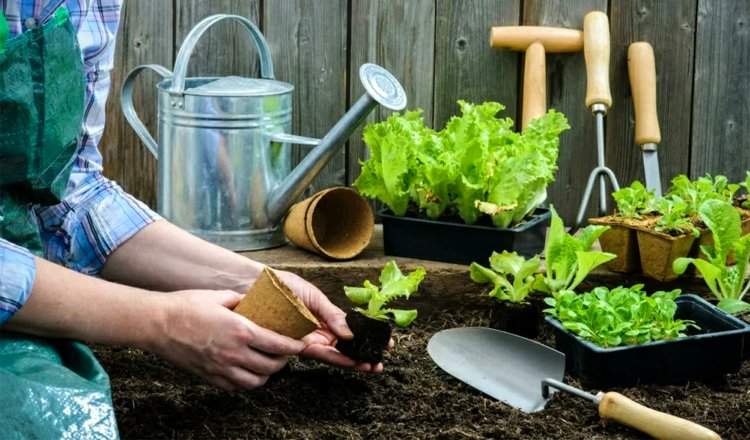
July may feel like a continuation of June - watering, feeding, and soil care remain top priorities. Though the pace eases, your garden still needs regular attention and nurturing.
Introduction
July stands out as a warm and active month: your garden is blooming, plants developing, and the harvest has begun. Core tasks: watering, feeding, soil loosening are essential to maintain vigor and productivity.
Main Care Tasks
Key activities in July include deep watering with warmed, settled water, followed by gentle soil cultivation around the roots. Mid-summer is the time when the garden is at its most vibrant and demanding.
Watering & Feeding Trees & Shrubs
July is fruit-heavy-berry and fruit shrubs need to be well-fed and hydrated to support healthy yields.
Watering guidelines:
- Young shrub: 10–20 L (2–4 gal)
- Mature shrub: 30–40 L (8–10 gal)
- Non-fruiting sapling: 30–50 L (8–13 gal)
- 3Р5-year-old tree: 50–80 L (13–21 gal)
- 7Р10-year-old tree: 120–150 L (32–40 gal)
Always irrigate near the root zone. Overhead watering encourages fungal disease focus on the soil.
Feeding tip: Feed shrubs and trees as fruits mature to prevent nutrient deficiencies in berries like raspberries, currants, and gooseberries.
Pruning Trees & Shrubs
July is ideal for trimming excess growth that has developed since spring pruning. Remove suckers (water sprouts) from the base and vertical shoots in the canopy. For cherries and plums, thin vigorous new shoots and shape the main framework.
Berry Harvest & Care
Harvest berries promptly-leaving ripe fruit out exposes it to birds, insects, and rot. When strawberries finish fruiting, loosen soil around them, hill small mounds, and trim runners unless you're propagating. This promotes healthier, winter-ready plants.
Vegetable Garden Work
July demands full attention in the vegetable patch. Tasks include disease control, planting, thinning, and focused feeding:
- Tomatoes & potatoes: Apply copper-based fungicides (like Bordeaux mix) early in the month. For tomatoes, treat at least 20 days before harvest.
- Fresh sowings: Plant quick growers: dill, radish, lettuce, spinach, cilantro, turnip, daikon - for late-season harvest.
- Garlic: Harvest and braid winter garlic; let it dry in a ventilated area.
- Onions: Stop watering 2–3 weeks before harvest.
- Cauliflower: Shade heads by placing outer leaves or cardboard over them.
- Potatoes: Water heavily if drought persists to support tuber development.
- Tomato topping: Remove tops on indeterminate varieties and pinch off excess flowers/fruit to channel energy into developing fruit. Continue feeding monthly with potash and phosphorus-rich solutions.
- Root vegetables: Thin carrots to 1.5 in (4 cm), parsley similarly; radish to 3–4 in (8–10 cm); beets to 4–5 in (10–13 cm). Side-dress with wood ash or potassium sulfate (1 g per 10 L water).
- Squash & pumpkins: Trim vines above the third leaf past fruit. Remove non-fruiting laterals and limit to 2–3 fruits per plant, watering heavily.
- Cucumbers & tomatoes: Feed regularly with wood ash (70 g per liter of water) or manure tea (1:10 ratio).
Flower Garden Care
Treat powdery mildew. Deadhead spent blooms to prevent seed set and energy drains. Stake tall flowers (gladiolus, dahlias, hollyhocks) to prevent wind damage.
On rose bushes, prune suckers and wild shoots, then feed with a mix of manure tea (1:20), superphosphate (30 g), ammonium nitrate (20 g), and potassium chloride (8 g).
After peony blooms fade, top-dress with compost or well-rotted manure. Apply preventative sprays weekly: 1% Bordeaux mix or 0.5% copper hydroxide.
Mid-month, dig up bulb crops, clean off soil, and store them in a shaded, ventilated area to cure. At monthХs end, apply a final feed to annuals and thin out seedlings of perennials.