Essential October Gardening Tasks
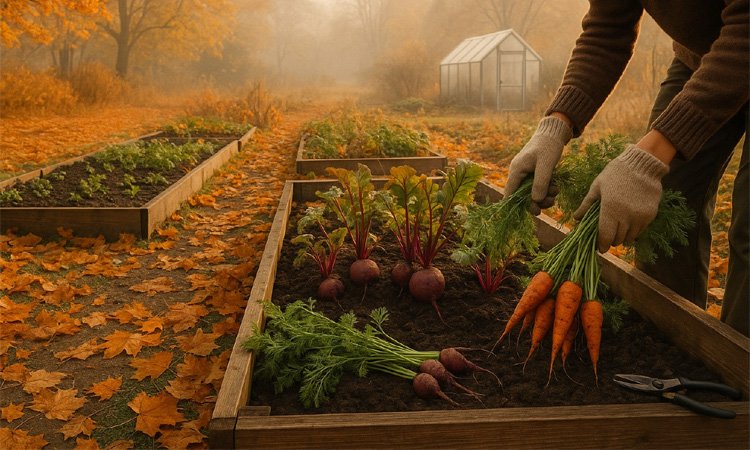
Main Fall Garden Tasks
While October can still bring mild daytime warmth in many U.S. regions, nighttime frosts are becoming more frequent. Timely preparation can protect your garden from cold damage and promote healthy soil for the coming year. Here’s what you should focus on:
- Clean up your garden. Remove fallen leaves, decaying plants, and debris to prevent pests like mice and fungal diseases from overwintering.
- Sow cold-hardy flowers. Direct-seed cool-season flowers such as calendula, cornflowers, or poppies for early spring blooms.
- Transplant shrubs and trees. Early fall is ideal for moving established plants once leaves have dropped and soil temperatures are still warm.
- Prune and mulch. Cut back perennials and add mulch to protect roots and regulate soil temperature through the winter.
- Build winter protection structures. Tie up or cover sensitive plants, install extra supports, and add windbreaks if needed.
- Divide and propagate perennials. October is the perfect time to divide hostas, daylilies, and other mature clumps to encourage healthy regrowth.
- Dig up tender bulbs. Lift gladiolus, dahlias, and other tender bulbs once the first frost hits, and store them in a dry, cool place.
- Create leaf compost. Gather fallen leaves and layer them with soil or compost to make rich leaf mold for next season.
- Plant spring bulbs and garlic. Tulips, lilies, and daffodils should go in now, as well as fall-planted garlic — about three weeks before hard frost.
- Prepare the soil for spring. Add compost, manure, and phosphorus-potassium fertilizers. Cover prepared beds with black mulch film to suppress weeds and warm the soil earlier in spring.
- Winterize patios and outdoor areas. Store garden furniture, clean gutters and water lines, and make necessary repairs before freezing weather arrives.
- Disinfect greenhouses. Clear out spent plants, wash surfaces, and sterilize tools to prevent diseases from spreading during the dormant months.
How to Harvest in October
Early October is the final call for harvesting late-season crops and fruits. Timing and technique are crucial for extending storage life and preserving flavor.
- Harvest late apple and pear varieties on dry days. Wrap each fruit in paper to prevent rot and store in a cool, dry shed before moving to the cellar later in the season.
- Gather chokeberries and quinces. Aronia berries and quinces reach full ripeness in mid-October and can be used for jams, jellies, or juice.
- Protect tender fruits from frost. Apples, pears, and quinces can be damaged at temperatures below 20°F (-6°C). Move them indoors before deep cold arrives.
- Finish grape harvesting. Late-season table grapes should be picked before the first frost. To make raisins naturally, hang grape clusters in a dry, ventilated cellar.
Preparing Your Garden for Winter
Once harvesting is done, focus shifts toward protection. After the first frosts, spray apple and pear trees with a 5% urea solution to prevent scab and overwintering pests. At the end of the month, whitewash tree trunks with lime or latex paint to reflect sunlight and prevent bark cracking during winter thaws.
These last steps may seem simple, but they make a big difference in how your garden will handle cold stress and emerge strong in spring.
Final Thoughts
October gardening is about balance — finishing the harvest while preparing for rest. A few days of thoughtful work now will save weeks of trouble next season. Take time to nurture your soil, protect your plants, and clean your tools. Every effort you invest before winter pays off with a healthier, more productive garden when spring returns.
Stay connected with the rhythm of your land—October is your bridge between harvest and hope.