Mastering Greenhouse Watering: Techniques and Timing for Success
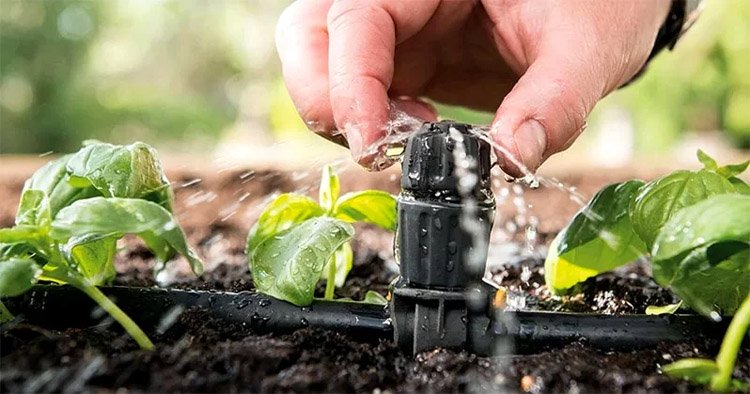
Proper greenhouse watering creates the ideal microclimate for thriving plants. Knowing *how* and *when* to water is crucial; both underwatering and overwatering can seriously harm your crops. Let's explore the best watering strategies to maximize your harvest.
Timing Your Greenhouse Watering
The time of day you water significantly impacts your plants health. Should you water in the morning or evening? The optimal schedule depends on the plant type and your greenhouse conditions.
Neglecting timely watering can quickly stress plants, potentially leading to their demise.
Consistent, proper watering is essential for robust growth and disease prevention.
Watering Schedules for Common Vegetables: (These are guidelines; adjust based on your specific conditions and plant variety.)
- Tomatoes and Cucumbers: Water every 3 days until flowering begins, then reduce to once a week.
- Eggplants: Eggplants are thirsty plants! Begin watering 5 days after transplanting, then water daily.
- Carrots: Carrots prefer drier conditions. Only water when the soil feels dry to the touch.
- Onions: Similar to carrots, water sparingly only when the soil is dry. Aim for moist, not soggy, soil.
- Potatoes: Start watering approximately 20 days after planting.
Once you see the first sprouts emerge, you can often reduce watering frequency.
Morning vs. Evening Watering: Which is Best?
The ideal watering time varies depending on your plants heat tolerance and your greenhouse's microclimate. Some plants thrive with morning watering, while others prefer evening watering.
Morning water is typically cooler, while evening water has had time to warm up throughout the day.
Advantages of Morning Watering:
- Reduces humidity build-up, allowing for better air circulation and ventilation throughout the day.
- Cooler water minimizes the risk of shocking plants or damaging delicate seedlings.
- Cold water generally contains more dissolved oxygen, beneficial for root health.
Advantages of Evening Watering:
- Warmer water is gentler on plants and may be better absorbed.
- Many plants benefit from evening watering, which allows them to absorb moisture overnight.
- Moisture has ample time to soak into the soil before the next day's heat.
As a general rule, tomatoes often benefit from morning watering, while other plants like potatoes, cucumbers, and eggplants may prefer evening watering.
How Often Should I Water My Greenhouse?
Watering frequency depends on several factors, including the time of year, plant type, and greenhouse conditions. Summer usually demands more frequent watering.
Daily watering isn't always necessary; in many cases, you can successfully water every other day or even once a week, depending on your plants needs.
For example, tomatoes often only require watering once a week using warm, settled water. Cucumbers are also relatively drought-tolerant. Strawberries, though known for being somewhat finicky, are a favorite among gardeners and can be grown year-round.
Watering Strawberries: Effective Methods
- Drip irrigation systems
- Overhead watering (simulating rainfall)
- Supplemental irrigation techniques, such as soaker hoses or hand watering
Depending on the temperature and soil conditions, you might water strawberries about twice a week.
Optimizing Greenhouse Watering: A Balanced Approach
Effective greenhouse watering requires a strategic approach to ensure optimal plant health and maximize yields. As discussed, three primary methods exist: drip irrigation, overhead watering (simulating rainfall), and supplemental irrigation (e.g., soaker hoses).
Improper watering can lead to wilting (indicating underwatering), or fungal diseases and root rot (indicating overwatering).
To avoid these issues, follow these key guidelines:
Watering Best Practices:
- Increase watering frequency as temperatures, light intensity, and wind speed increase.
- Reduce watering during cloudy periods or when rainfall is expected.
- Water in the morning after a cold night; otherwise, water in the evening.
- Seedlings and young plants require more frequent watering than established plants.
- Sandy soils drain quickly, requiring more frequent watering to maintain adequate moisture.
- To prevent soil crusting, gently loosen the soil surface after watering to improve aeration and water penetration.
Each watering method offers distinct advantages. Drip irrigation is often preferred because it delivers water directly to the roots, minimizing water waste and weed growth, while promoting even soil moisture. It also allows for precise control over watering schedules.
Overhead watering (simulating rainfall) provides essential trace elements and can be especially effective using rainwater. Ensure the water temperature is similar to the soil and air temperature for optimal plant health.
Hand watering with a hose can easily lead to overwatering, particularly for root crops. Insufficient water, conversely, can cause blossom-end rot in tomatoes and other similar issues. In either case, root rot can result.
Watering schedules must also consider the plants root system. Plants with extensive root systems (e.g., watermelons, melons, corn, pumpkins) can access moisture deeper in the soil. Those with less extensive root systems (e.g., cucumbers, garlic, onions) require more frequent watering to prevent moisture stress.
|