
Objective: Maintain optimal growing conditions (70–85°F daytime, 60–70°F nighttime) to protect plants from heat stress, humidity issues, and pests, ensuring robust summer yields.
| Time | Task | Tools/Actions |
|---|---|---|
| Sunrise | Open roof/side vents | Vent setpoints: 70°F+; auto-openers or manual vents |
| Morning | Inspect and water | Soil moisture check; drip or soaker hoses; water only if top 2? are dry |
| Late morning | Deploy shading | 50–70% shade cloth on south/west facing glazing or use shading paint |
| Midday | Ventilate and circulate | Run exhaust & circulation fans; open both vents for cross-flow; add shutter blinds if needed |
| Afternoon | Monitor temps & humidity | Thermometer/hygrometer; aim for RH 50–70% and temps 75–85°F |
| Late afternoon | Dampen floor in dry heat | Dampening lowers temp and raises humidity |
| Evening | Close vents before sunset | Prevent overnight heat loss; maintain 60–70°F night temperature |
Crop-Specific Care & Seasonal Culture Guide
Ideal Day/Night Temperature (°F)
| Crop | Daytime | Nighttime |
|---|---|---|
| Lettuce, spinach | 60–70 | 50–60 |
| Tomatoes, cucumbers, peppers | 75–85 | 60–70 |
| Melons, eggplant | 80–90 | 70–75 |
These values reflect optimal growing ranges for yield and flavor.
Recommended Summer Crops for Greenhouse
- Cucumbers (trellis them vertically for airflow; humidity 60–70%)
- Tomatoes (support cages; ensure regular air circulation to prevent blight)
- Peppers/Eggplant (thrives in 70–85°F; require cross-ventilation)
- Leafy herbs/greens (lettuce, dill, parsley): sow every 2–3 weeks; harvest continuously
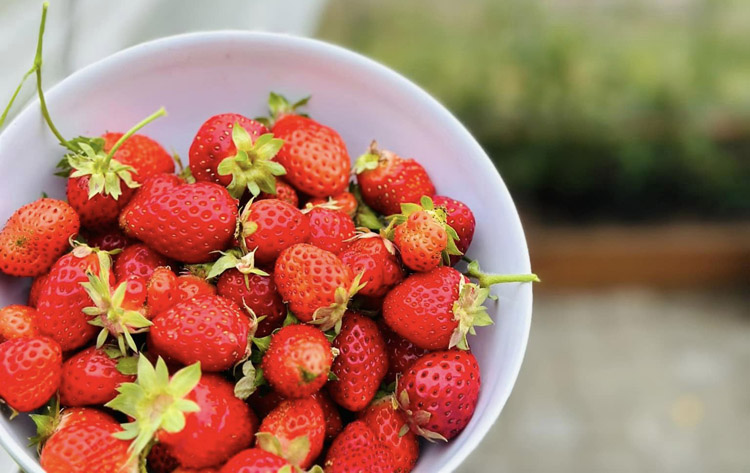
- Strawberries (use tiered systems, peat-rich substrate, drip irrigation for higher yield)
Ventilation, Cooling & Shading Essentials
- Ventilation: Roof + side vents plus circulation fans; exchange full volume every ~2 minutes.
- Shade: Use 50–70?% shade cloth outside the glazing or shade paint on the roof/west wall.
- Dampening: Misting hard surfaces at midday cuts temperature and boosts humidity naturally.
- Automated controls: Use heat-sensitive auto vent openers and solar-powered thermostatic fans to avoid daily guesswork.
Pre-Season Equipment Checklist
- [ ] Roof and side vents installed
- [ ] Shade cloth (50?%) prepared with mount system
- [ ] Auto-vent openers positioned
- [ ] Circulation/exhaust fan installed (ideally solar-powered)
- [ ] Drip irrigation or soaker hoses laid out
- [ ] Thermometer & humidity meter in place at canopy level
Daily Summer Greenhouse Checklist
- [ ] Check morning heat: open vents
- [ ] Inspect soil moisture; water if dry
- [ ] Deploy shade cloth at 70+°F
- [ ] Vent again late morning/midday
- [ ] Damp floor if humidity <50%
- [ ] Close vents by early evening
Expert Tips for Consistent Success
- Monitor microclimates: Temperatures vary — track zones at entries, centers, and canopy level.
- Strategic crop placement: Zone heat-tolerant crops (peppers, cucumbers) near warm ends.
- Support plant structure: Use cages, stakes, trellises for air circulation and health.
- Use sterile potting mixes to avoid pathogen buildup.
- Keep tools clean: Disinfect regularly to prevent fungal spread.
Final Notes
This actionable guide gives you a summer roadmap from crop choice to daily operations for a thriving greenhouse. Use the linked article below for deeper insights and expert context:
Read the full summer greenhouse article for more details
∙ • ∙ • ∙ • ∙
|